Managing classroom behavior is a crucial aspect of teaching, as it directly impacts the learning environment and student outcomes. Teachers use various strategies to encourage positive behavior and discourage negative ones. One effective tool in this endeavor is the individual student behavior chart. This chart is designed to track the behavior of each student separately, providing a personalized approach to behavioral management.
The individual student behavior chart is tailored to meet the specific needs of each student, taking into account their unique behavioral challenges and goals. By focusing on individual behaviors rather than comparing students to one another, teachers can create a more inclusive and supportive classroom atmosphere. This approach also allows for the identification of patterns in behavior, enabling teachers to intervene early and provide targeted support.
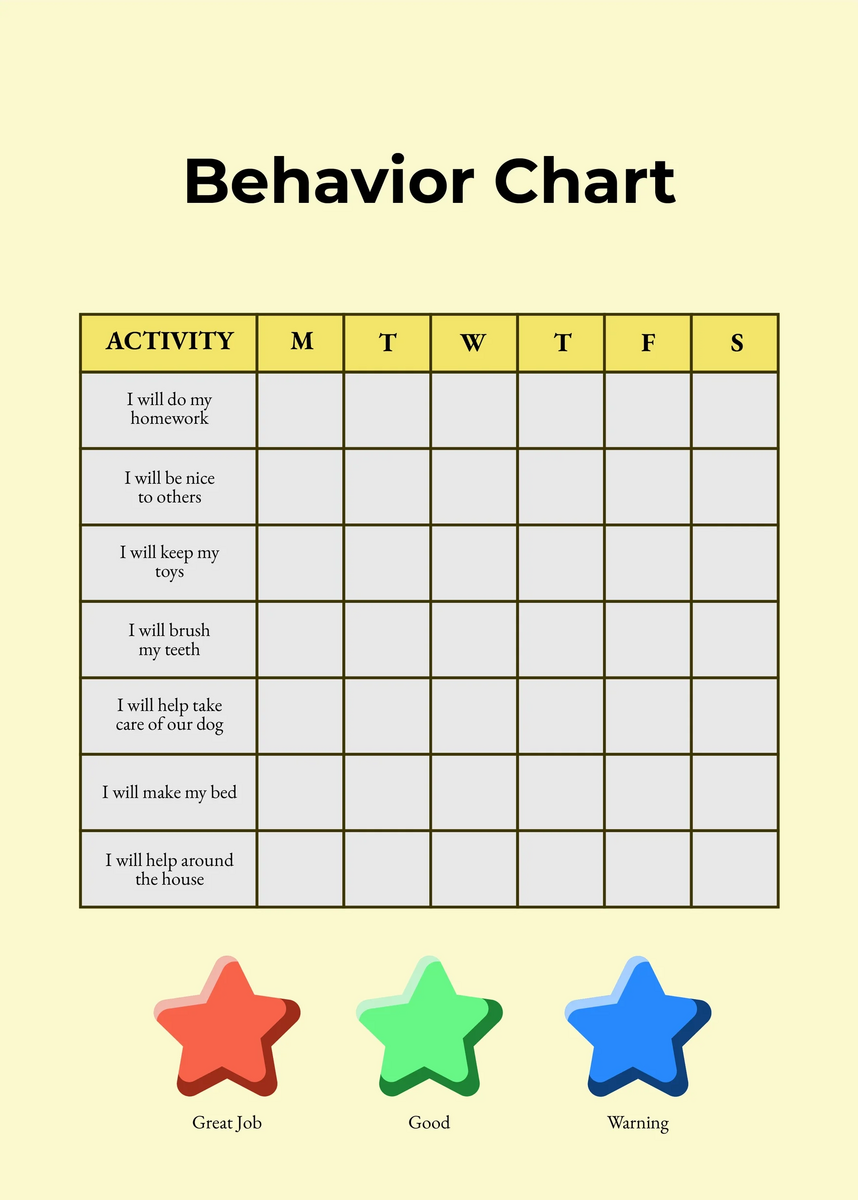
6 Behavior Chart Templates PDF DOC
What is an Individual Student Behavior Chart?
An individual student behavior chart is essentially a tool used by educators to monitor, record, and manage the behavior of students on an individual basis. It can take many forms, from a simple checklist to a more complex point system, depending on the age group of the students and the specific behaviors being targeted. The key is to make the chart accessible and easy to understand for both the teacher and the student, ensuring that it serves as an effective communication tool about behavioral expectations and progress.
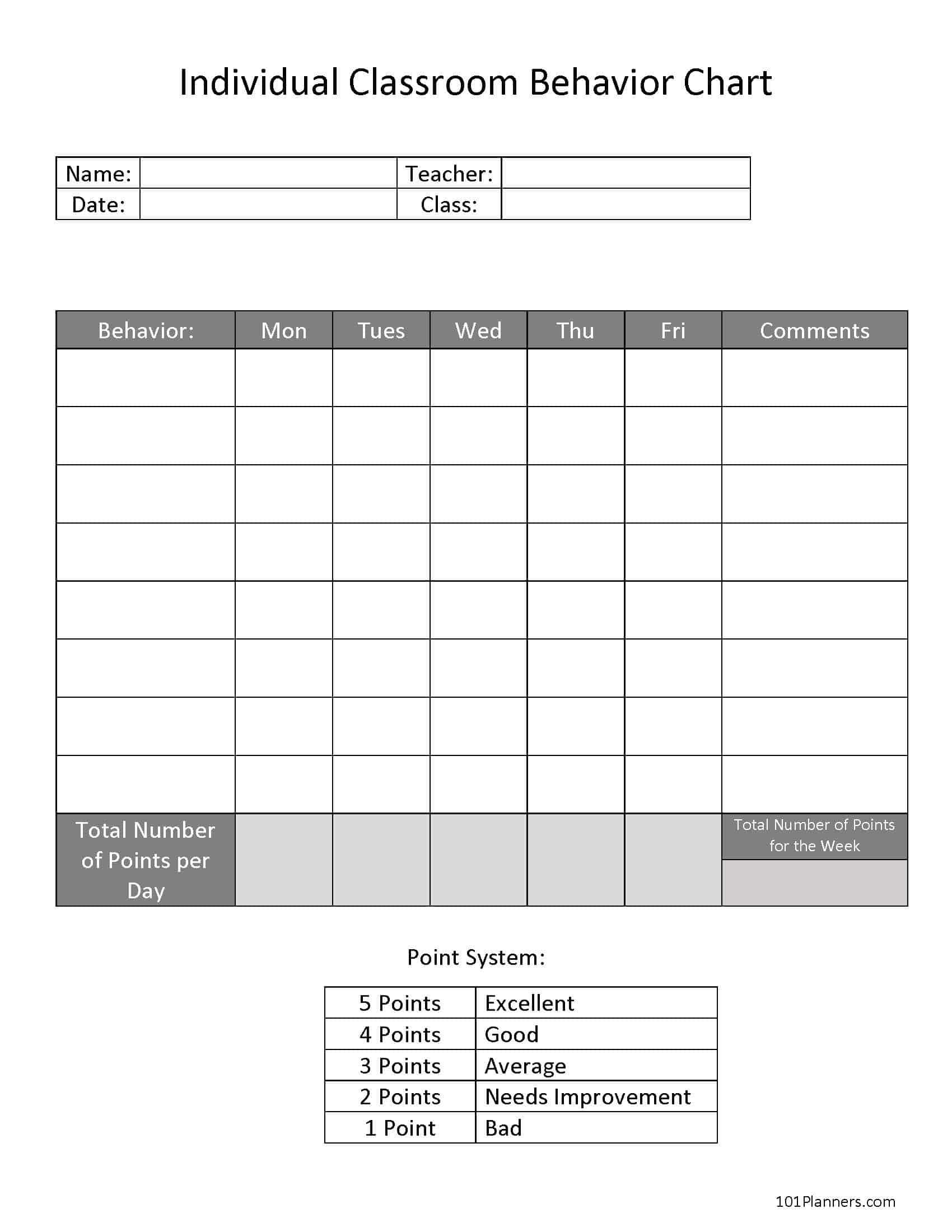
Classroom Behavior Chart
Benefits of Using Individual Student Behavior Charts
The benefits of using individual student behavior charts are manifold. They help in setting clear expectations for behavior, which is essential for creating a well-disciplined and focused learning environment. By tracking behavior over time, teachers can identify areas where students need additional support or reinforcement, allowing for more personalized interventions. Moreover, these charts can motivate students to exhibit positive behaviors, as they provide a visual reminder of their progress and achievements.
Implementing Individual Student Behavior Charts in the Classroom
Implementing individual student behavior charts in the classroom requires careful planning and consistent application. Teachers should first identify the behaviors they wish to track, which could range from completing homework assignments to demonstrating respect towards peers. The next step involves explaining the purpose and use of the chart to the students, ensuring they understand how it works and what is expected of them. Regular feedback and positive reinforcement are crucial for the success of this strategy, as they encourage students to take ownership of their behavior and work towards improvement.
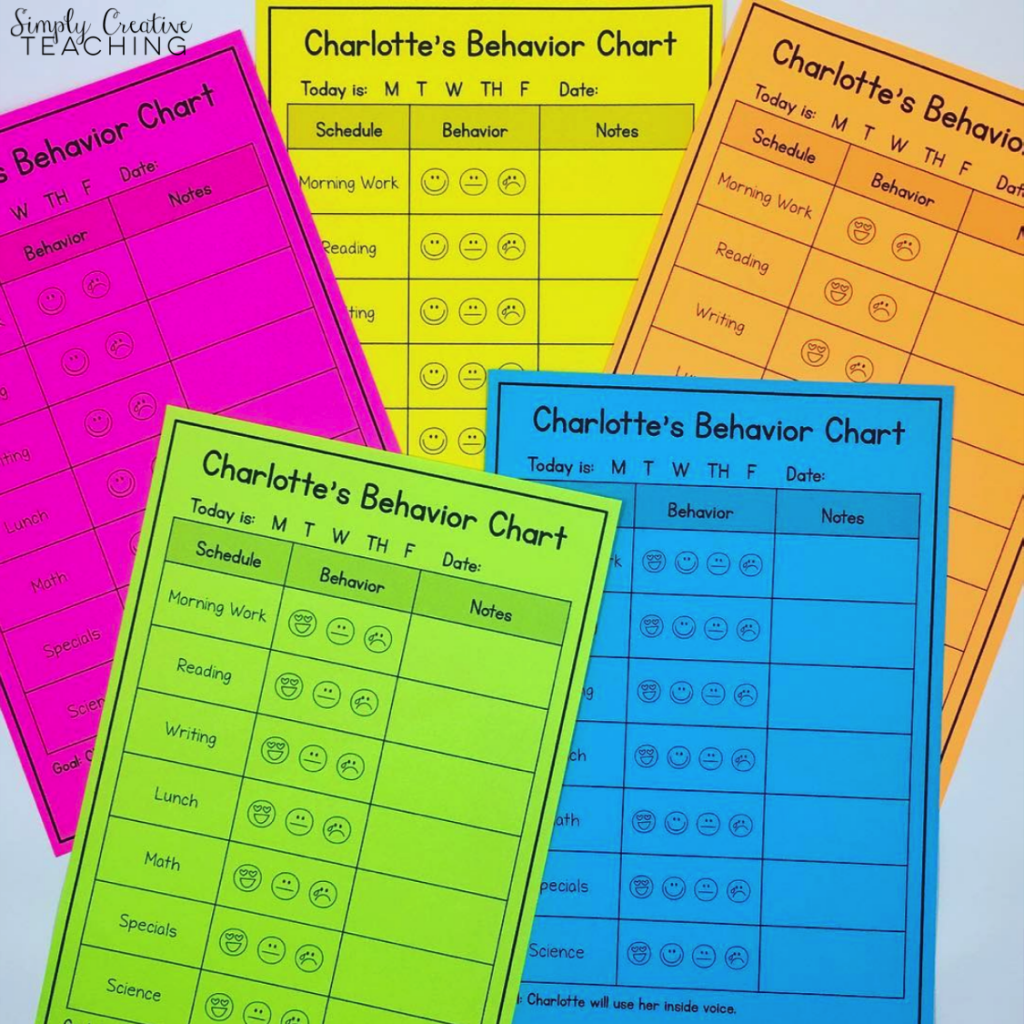
Creating Effective Individual Student Behavior Charts Simply Creative Teaching
In conclusion, individual student behavior charts are a valuable resource for teachers seeking to manage classroom behavior effectively. By providing a personalized and data-driven approach to behavioral management, these charts can lead to significant improvements in student behavior and academic performance. As educators continue to seek innovative ways to support their students, the individual student behavior chart stands out as a simple yet powerful tool that can make a real difference in the classroom.
Creating Effective Individual Student Behavior Charts Simply Creative Teaching
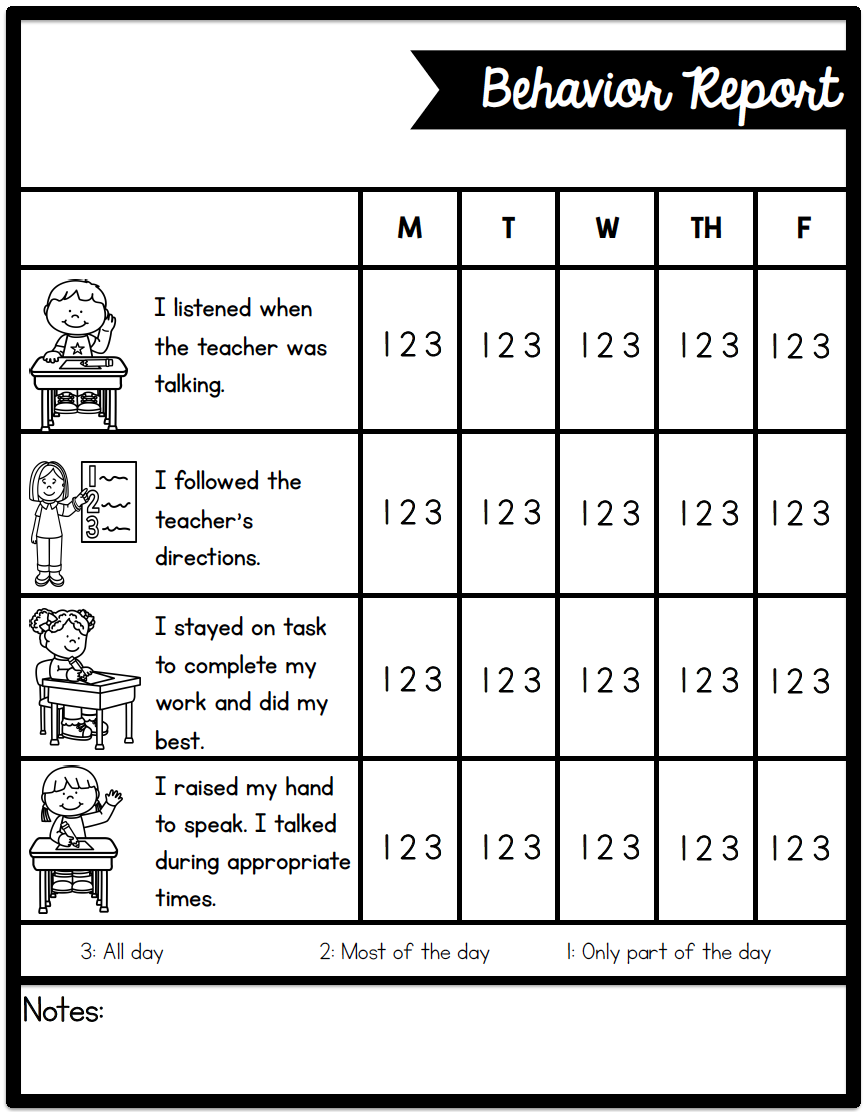
Sarah S First Grade Snippets Individual Behavior Chart Freebies